
June 4, 2026


The material of an object is never neutral. It affects more than appearance; it influences how something is used, how long it lasts, and how it feels to live with over time. A beautiful object made from the wrong material quickly loses its meaning.
With candles, this choice matters even more. The wax influences the burn, the appearance, the surface, and the way the candle changes as it melts. The same design can feel refined, durable, delicate, or short-lived depending on the material from which it is made.
Paraffin wax has long been the standard. It is reliable, affordable, and very good at holding fragrance, which is why it is used so widely. It is also derived from petroleum, meaning it comes from a non-renewable resource rather than an agricultural crop. When burned, paraffin can produce carbon soot—the black smoke or residue you may notice around a flame or on nearby surfaces. What darkens the air rarely improves it and for many makers and consumers, that combination of origin and burn characteristics has made alternative waxes increasingly appealing.
Not all alternatives solve the same problem. Beeswax has a long history and a natural warmth, but its honeyed scent is difficult to ignore, it is not vegan, and it can sometimes develop a slightly tacky or sticky surface. Coconut wax is often blended with other waxes because it can be too soft on its own. Every wax involves compromise. Rather than searching for a single “best” wax, it makes more sense to consider what qualities matter most. The ideal choice depends on the balance of performance, appearance, scent, and origin you want the candle to have.
Soy wax offers the best balance of performance, appearance, and origin.
It is made from soybean oil. After soybeans are harvested, the beans are cleaned, cracked, and rolled into flakes. The oil is extracted, refined, and hydrogenated — a process that changes liquid vegetable oil into a stable solid wax by altering the structure of its fatty acids. The result is a pale, smooth, plant-based wax with a relatively low melting point.
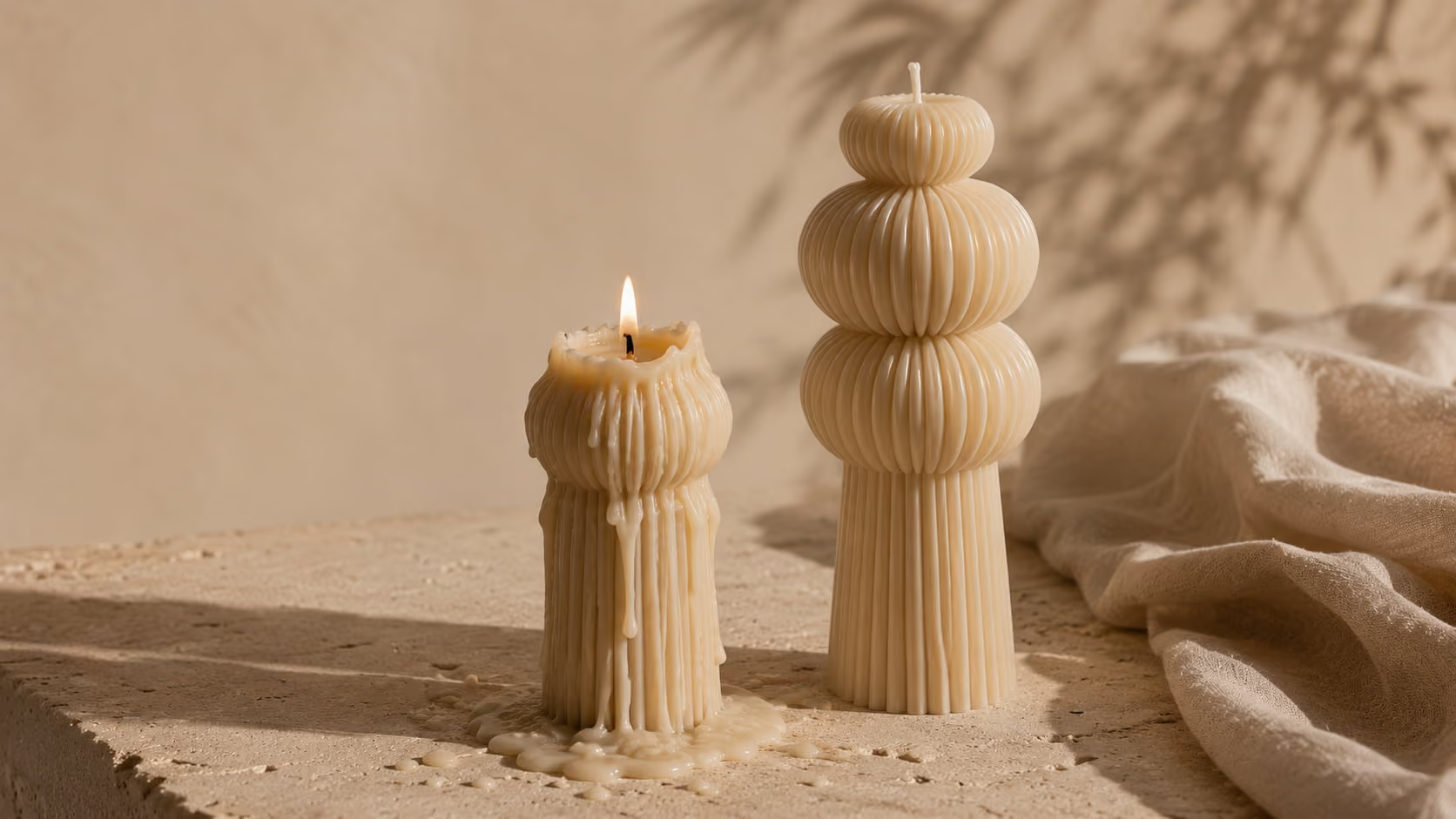
That lower melting point is important. Soy wax melts slowly and evenly, helping the candle maintain a more consistent burn and often extending its lifespan. It melts at a steady rate, helping the candle burn more evenly and maintain its form for longer throughout use.
This is where soy wax distinguishes itself. It burns with a quiet consistency and develops a soft, matte surface that feels natural rather than manufactured. Derived from soybean oil, it is also renewable and biodegradable, offering an alternative to petroleum-based waxes without compromising on performance.
More than anything, soy wax provides balance. It burns slowly, feels substantial, and has a naturally soft finish. It is a material that performs well without drawing attention to itself—useful in the way it behaves, beautiful in the way it looks.
"Have nothing in your houses that you do not know to be useful, or believe to be beautiful."- William Morris
That is why we choose soy wax. Like any good material, its value lies in what it does rather than what it claims to be. It burns slowly, holds its form well, and brings a quiet refinement to the finished candle. Useful in its performance, beautiful in its character — qualities that remain long after the first impression.