
From tallow to beeswax to art: the story of the European candle
Candles around the world, part 1
Today we light a candle for the mood. For most of European history a candle was simply the only way to keep working after sunset – and a good one was a luxury.
Roman beginnings
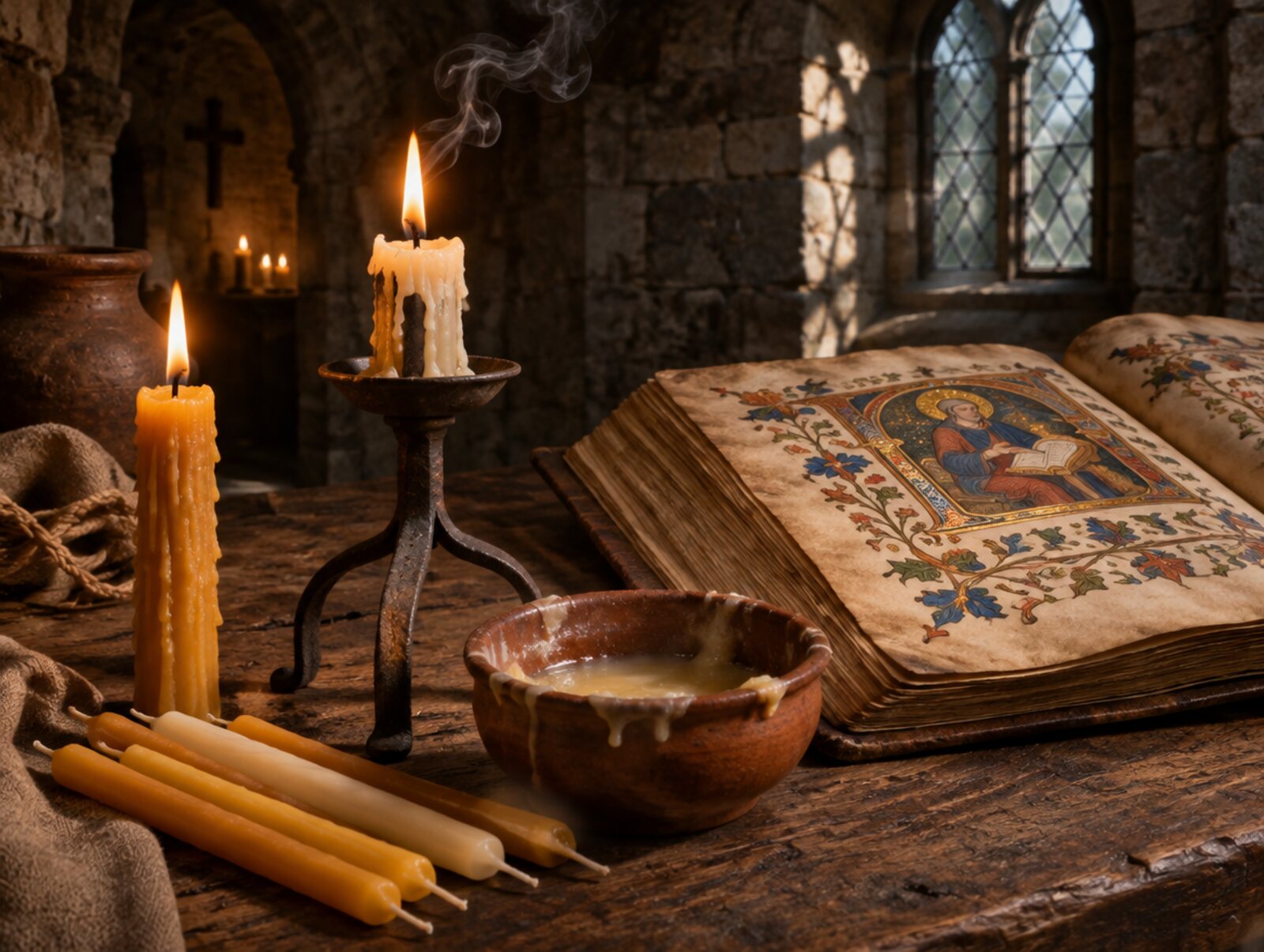
The Romans were among the first in Europe to make real candles: a wick of twisted fibre, dipped again and again into melted fat until a thick layer built up. Most candles were made of tallow, which is animal fat. It was cheap, but it smoked, smelled and dripped. Beeswax candles also existed, but they were expensive and mostly for the rich and for temples.
The Middle Ages: wax for the church, tallow for the home
When the Roman Empire fell, olive oil for lamps became scarce in northern Europe, and candles became even more important. Beeswax burned cleanly and smelled sweet, so it went to churches and monasteries. Ordinary homes lived with smoky tallow.
Candle making became a proper craft. In France a candle makers’ guild is recorded from 1061. In London there were two separate guilds, the Tallow Chandlers and the Wax Chandlers; the Wax Chandlers received their royal charter in 1484 – a sign of how different the two worlds were. Around the 15th century candle moulds appeared in Paris, so candles no longer had to be dipped one layer at a time.
The 18th and 19th centuries: science arrives
With whaling came spermaceti, a hard wax from the sperm whale that burned brightly and evenly. In 1825 the French chemists Michel Eugène Chevreul and Joseph-Louis Gay-Lussac patented stearin, a hard, clean-burning material made from fat. In 1834 Joseph Morgan in Manchester patented a machine that could make about 1,500 candles an hour, and from the 1850s paraffin wax made from oil and shale arrived. Suddenly good candles were cheap for everyone.
The light bulb – and a new life
Then came the kerosene lamp and, from 1879, the electric light bulb. Candles were no longer needed for light. But they did not disappear. They moved to the dinner table, the window sill, the Advent wreath and the church. In the 20th century they became decoration, with new shapes and colours, and in the 1990s makers began to look at plant waxes such as soy.
The newest chapter
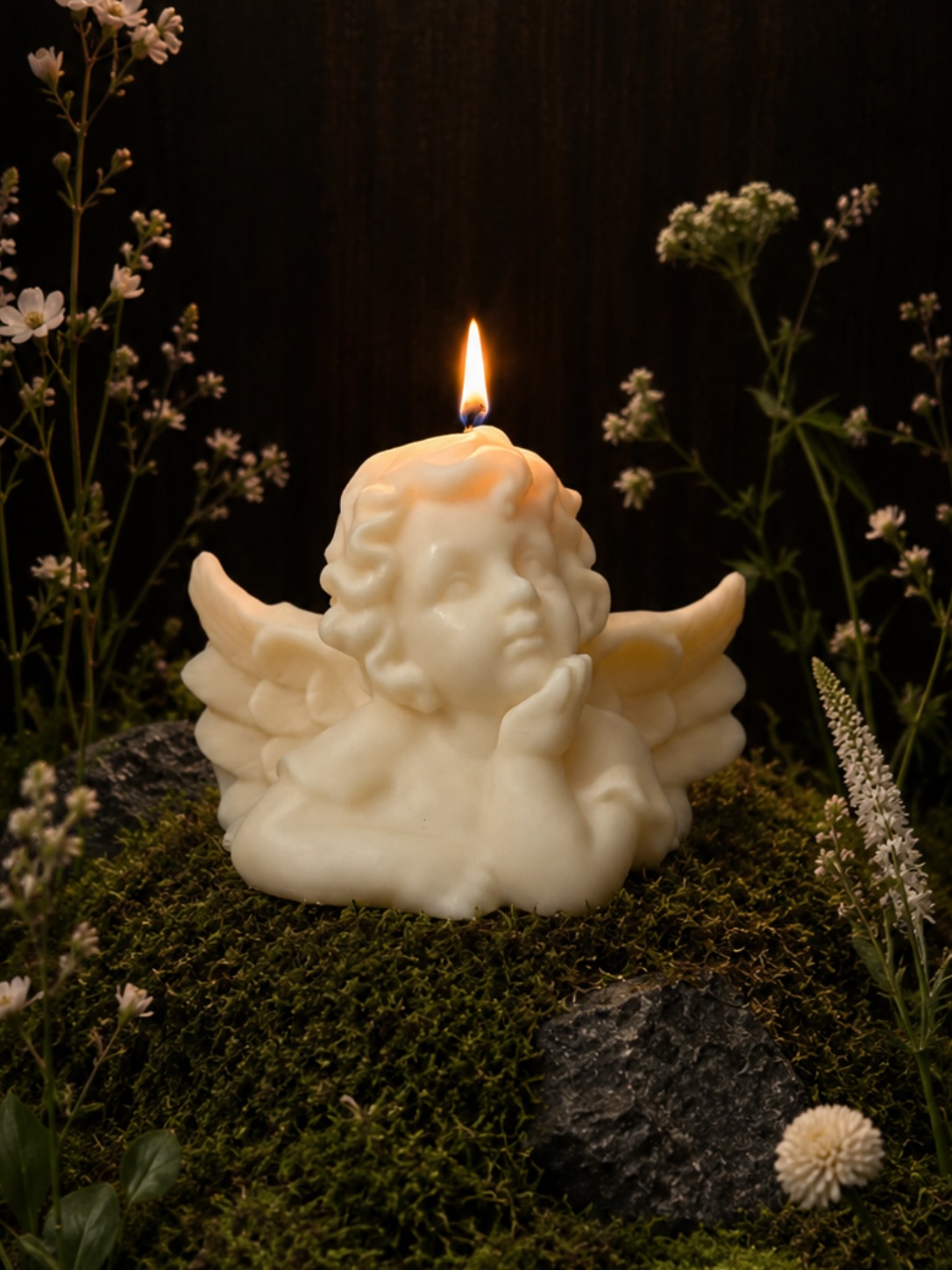
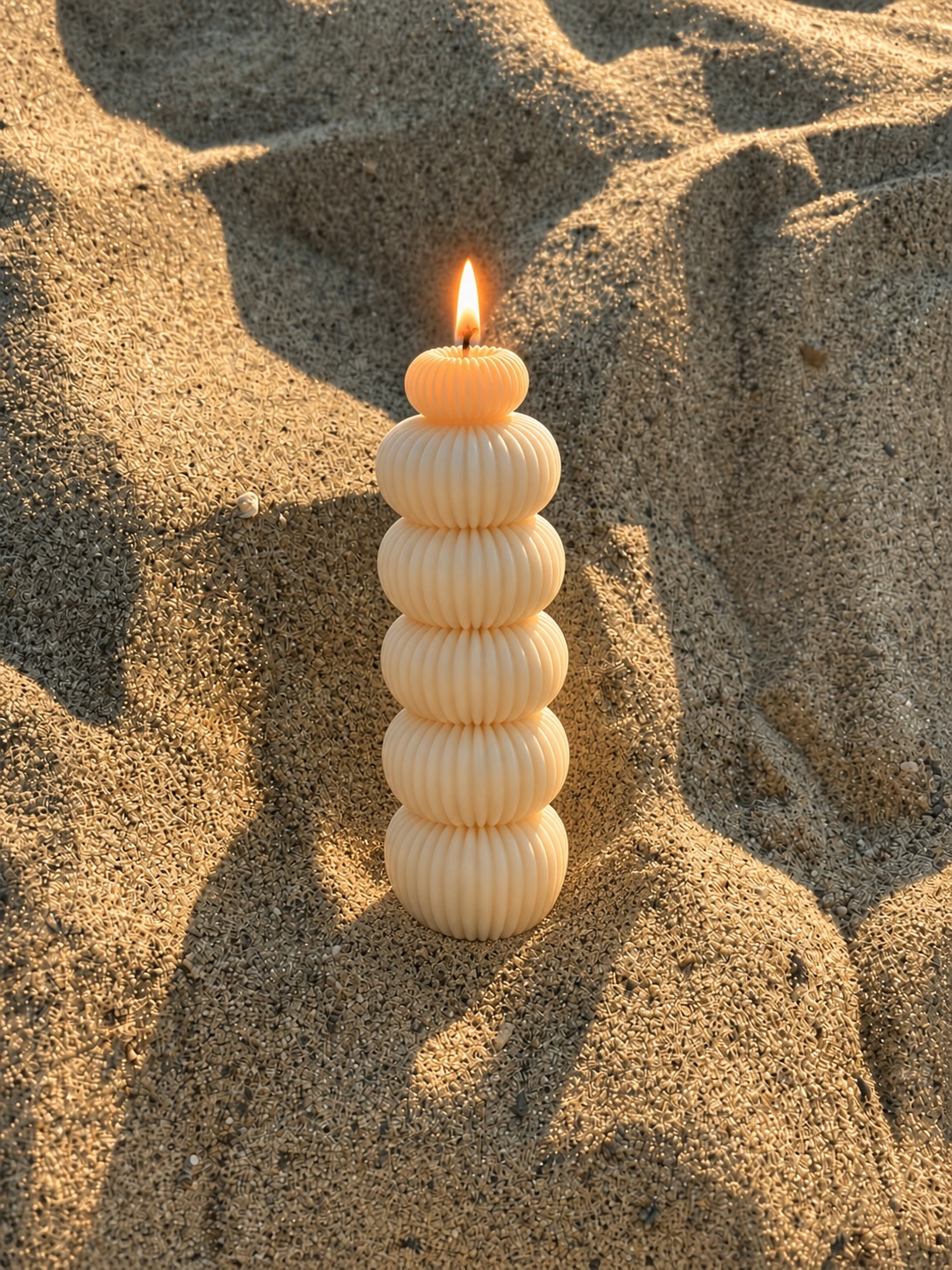
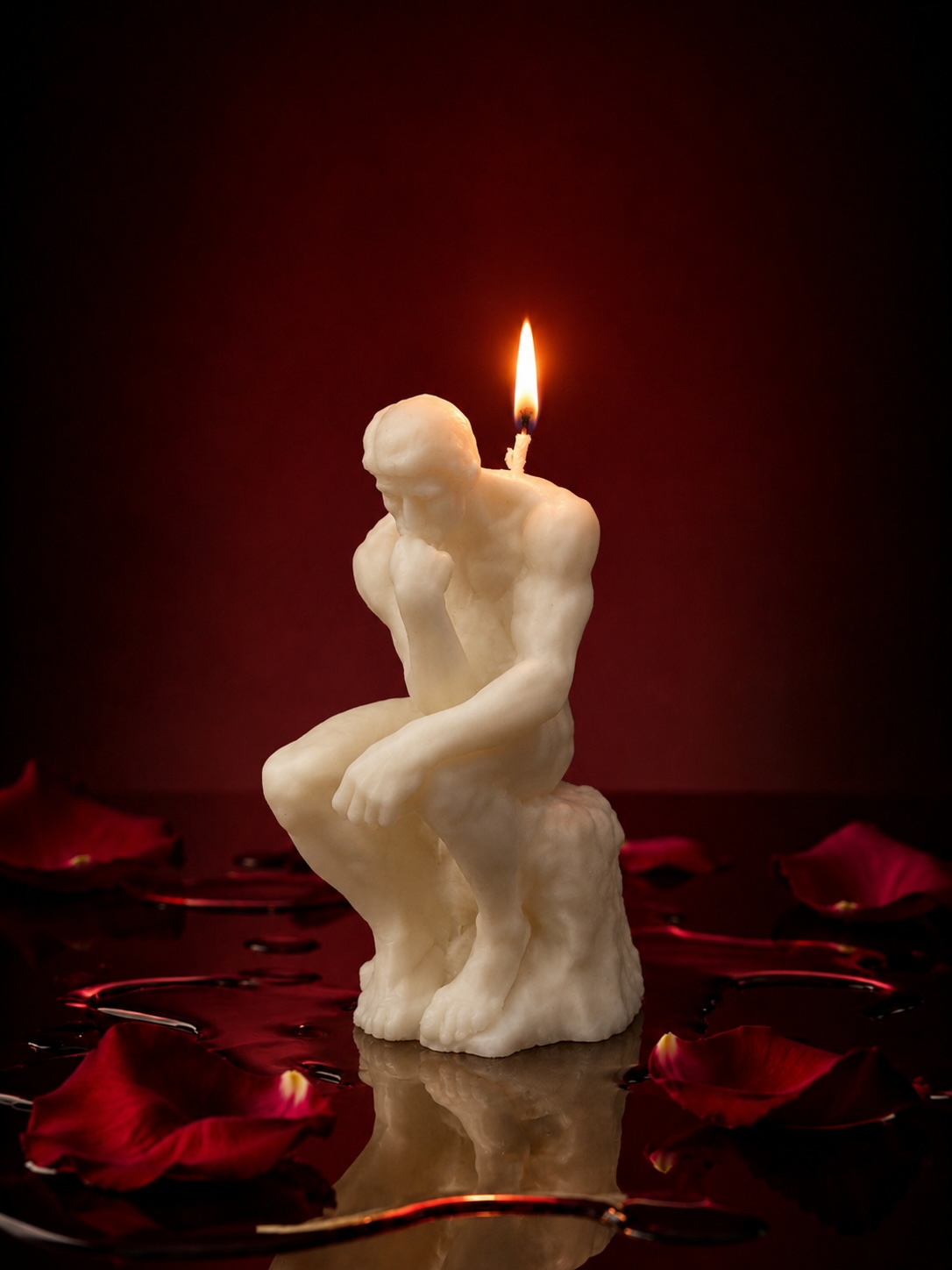
This is where our own story begins. In our workshop in Riga we pour soy wax into our own moulds and finish every candle by hand. Our candles carry angels, animals, forests and faces – small sculptures that you can keep as decoration or light on a quiet evening. After two thousand years a candle is no longer only light. It can be art.
Next week: the Advent wreath, Saint Lucia and hygge – how Germany and the Nordic countries made candles part of winter.
Sources: History of candle making – Wikipedia; History of candles – National Candle Association.