
Angel candles in memory: remembering a loved one and comforting the grieving
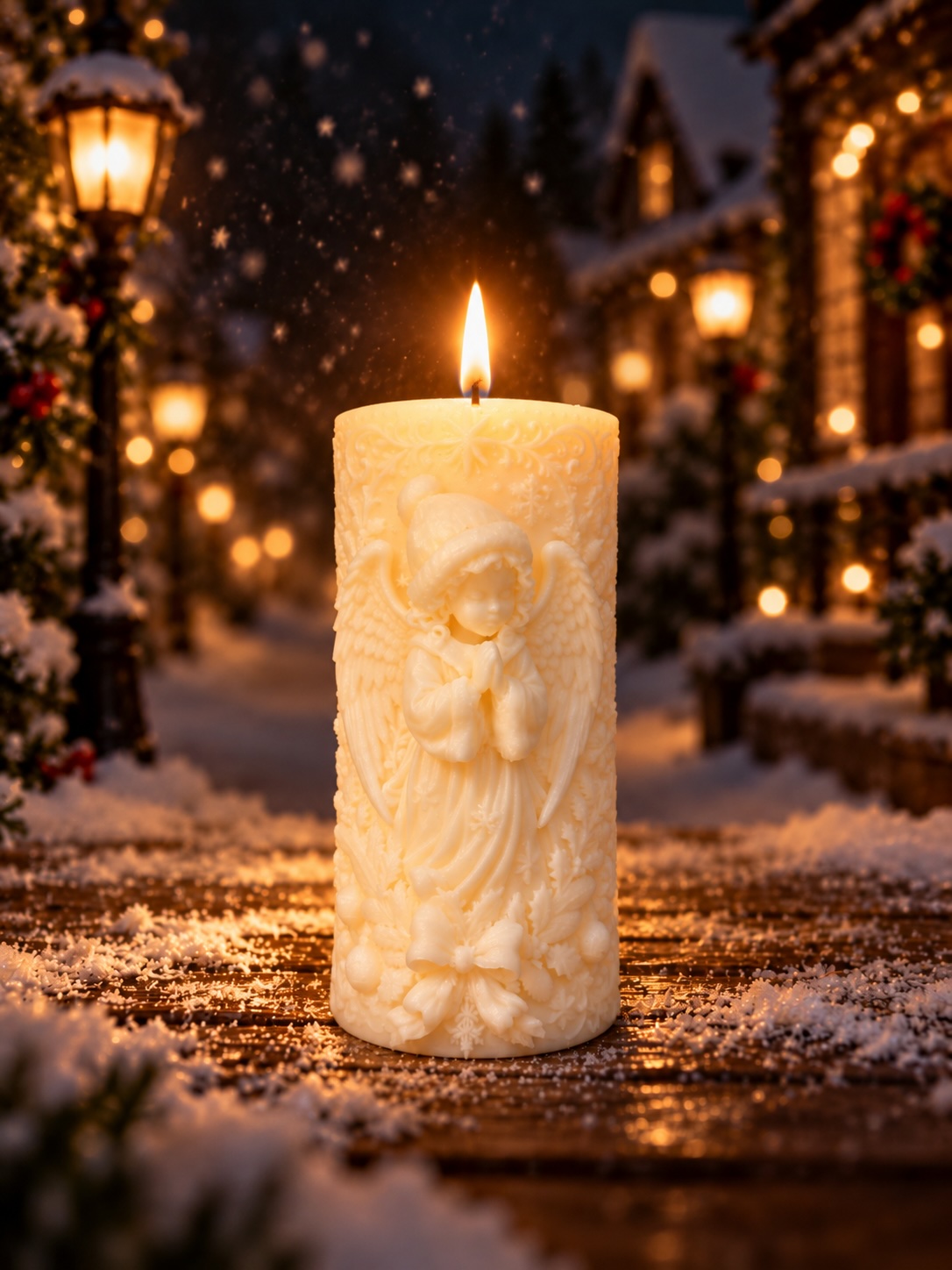
When someone we love is gone, words often fail. Perhaps that is why lighting a candle is one of the oldest ways of remembering. It needs no explanation: a small flame says “I remember you.” For many people, angel candles feel right for this – calm, gentle and easy to give.
Why a ritual helps
Psychologists who study grief have found that small, personal rituals help people get through loss. A 2023 study of people who could not say goodbye to a loved one the way they wanted found that lighting candles was linked to less pain over that lost farewell. A candle gives grief a moment and a place: a few minutes of quiet, a photo, a flame.
Many countries keep their own days of remembrance in November. In Latvia, where our candles are made, the tradition is especially close to us. From late summer until November, cemeteries hold candle evenings (svecīšu vakari), when thousands of flames are lit on graves. The last Sunday of November is the Day of Remembrance of the Dead.
How to choose an angel candle for remembrance
- A calm shape. An angel, praying hands or a simple, clean form suit remembrance better than bright, playful designs.
- No scent. In grief, a heavy perfume can feel like too much. Our candles are 100% soy wax and unscented.
- Something to keep. A sculpted candle doesn’t have to be burned straight away. It can stand next to a photo as a small memorial. Each one is our own design, poured by hand in Riga.
A candle gift instead of flowers
After a loss, many people receive lots of flowers, and a week later they wilt, just when everyday life gets hard again. A candle stays longer. It can be lit on the anniversary, on a birthday, or simply on an evening when the person is missed most. Add a short note, such as “For the evenings when you think of them.” That is often enough.
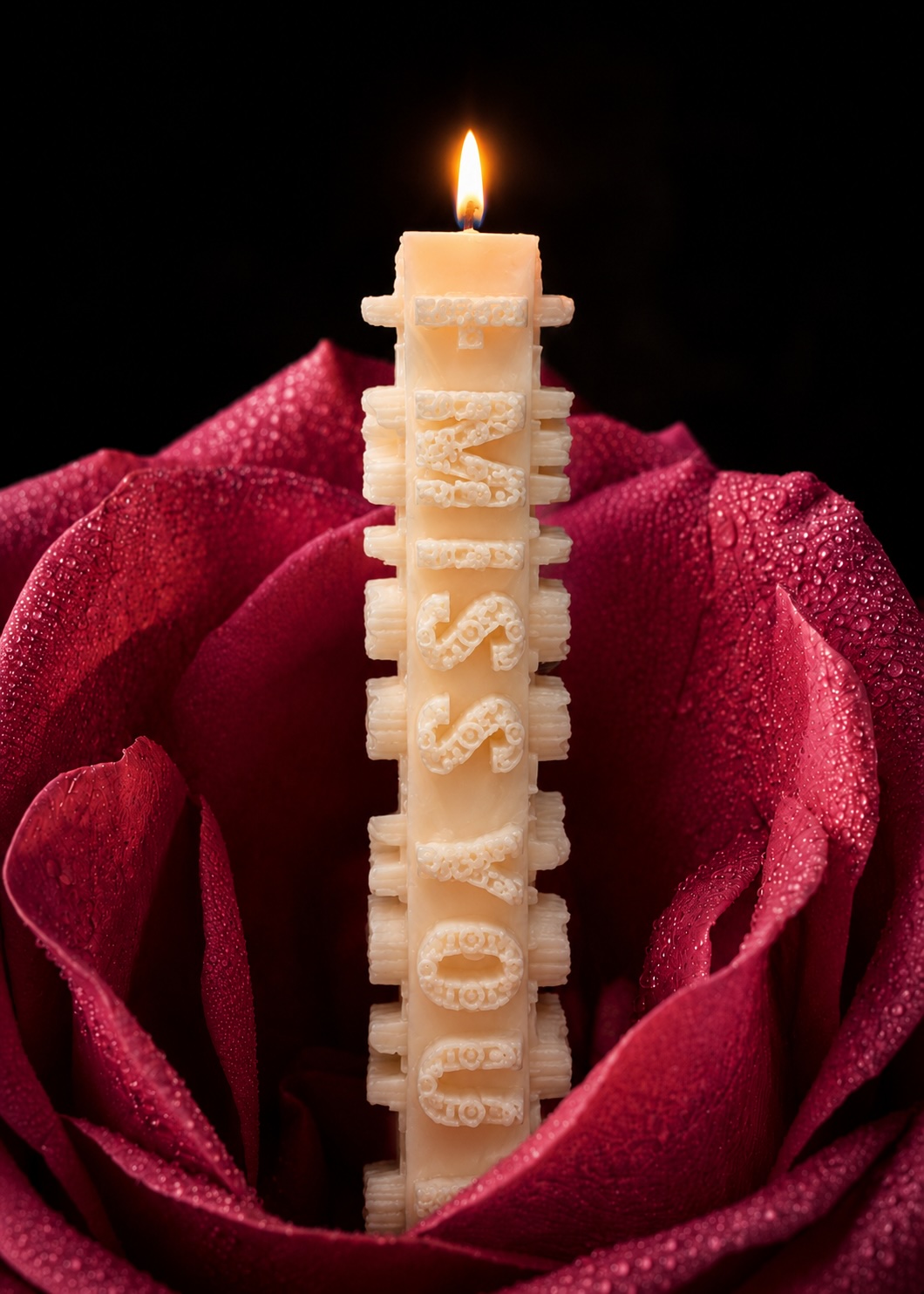
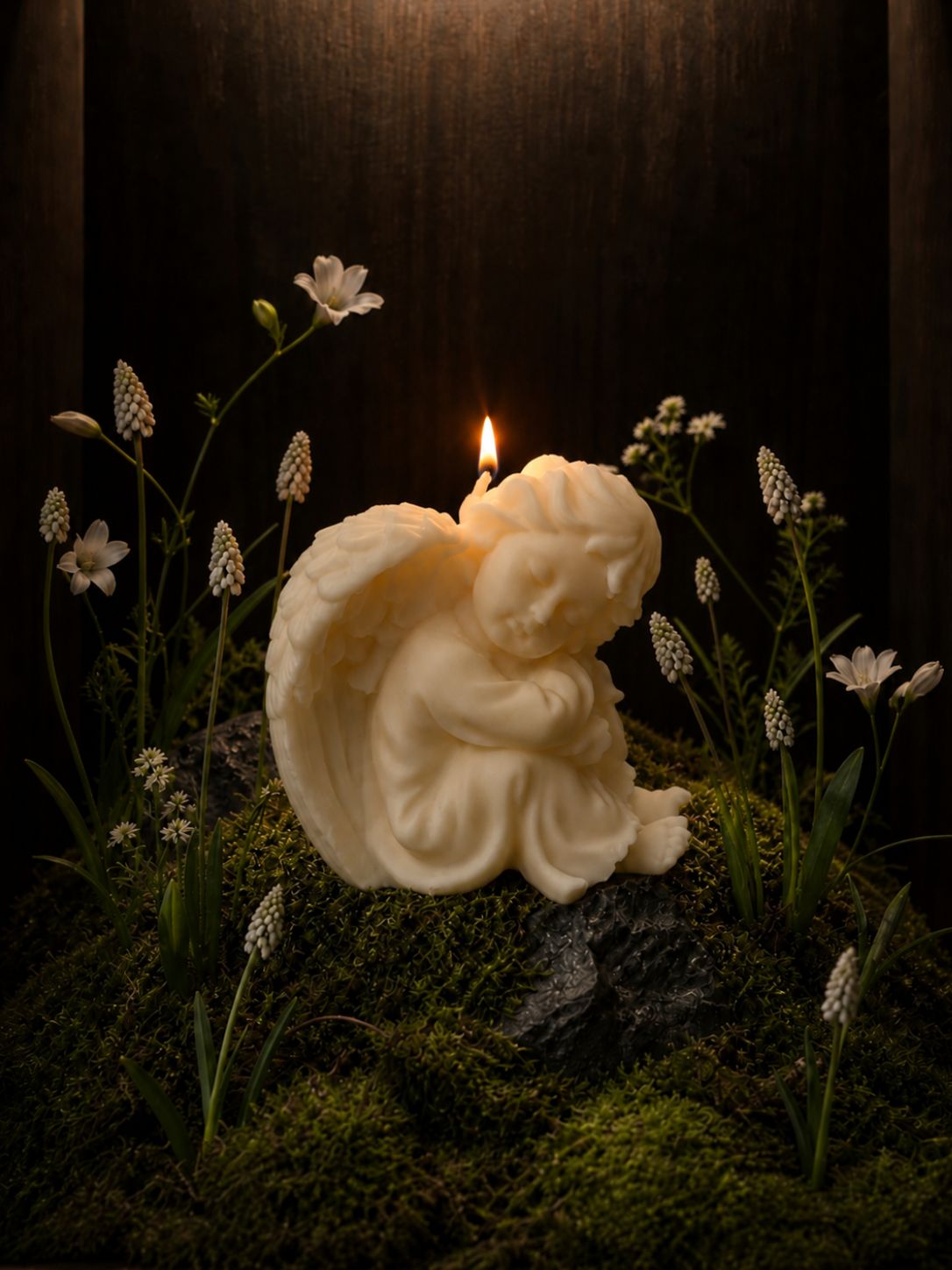
We deliver across Europe: free in Latvia, Lithuania and Estonia from €48, and half-price delivery elsewhere from €48.
Sources: Current Psychology (2023); LSM.